Speaker Lineup

Latino Men's Health – Spotlighting Cancer, An Unanswered Burden

Forum 1 Program Book

Presenter biographies for the Sept. 12 Forum: Why Are Latino Men at Higher Risk for Cancer? A 3-hour Virtual event covering prostate cancer, fatty liver disease (now referred to as MASLD), food as medicine, and the economic toll of cancer.

Featured Speakers & Presenters

September 12, 2025

Forum 1: Why Are Latino Men at Higher Risk for Cancer — and How Is It Impacting Patients, Communities, and the U.S. Economy?

Hour 1

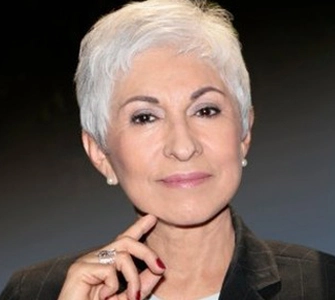
Ysabel Duron

Host - Executive Director and Founder, The Latino Cancer Institute

Leading advocate for Latino cancer equity and founder of TLCI, bringing over two decades of experience in health communications and community advocacy.

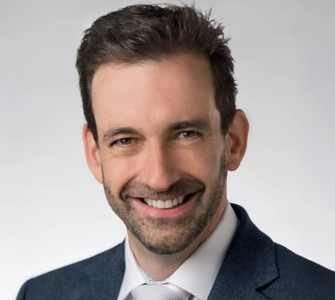
Matthew (Mateo) Banegas, PhD

Counting the Costs of Cancer – The Economic Toll on Latino Men and U.S. Productivity

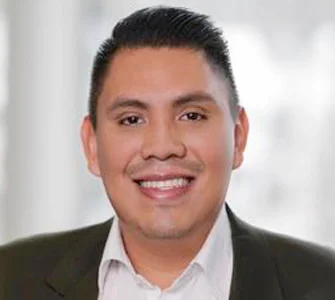
Matthew (Mateo) Banegas is Associate Professor at UC San Diego and Co-Director of the Center for Health Equity Education and Research. His work focuses on the impact of social and economic risk factors on health outcomes and creating solutions to improve healthcare delivery in underserved communities.

Ask the Men - Cancer Survivor Panel

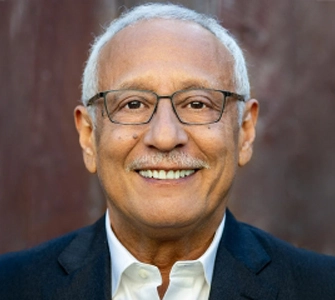
Tomas Almaguer, PhD

Professor Emeritus, Author

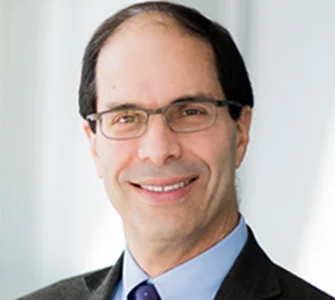
Tomás Almaguer is Professor Emeritus of Ethnic Studies at San Francisco State University and author of Racial Fault Lines and The New Latino Studies Reader. A pioneering scholar and prostate cancer survivor, he brings academic and personal insight to the cultural dynamics of Latino men’s health.

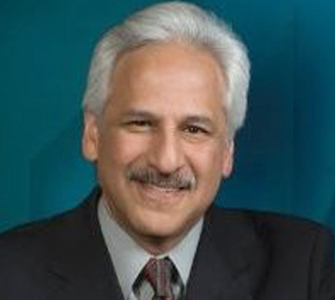
Marty Gonzalez, MA

Former TV News Anchor, KRON TV

Marty Gonzalez is weekend anchor at KRON 4 and Associate Professor at San Francisco State University. A veteran journalist and prostate cancer survivor, he combines professional expertise and personal experience to encourage awareness and early detection in Latino men’s health.

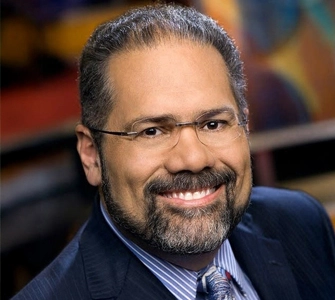
Ray Suarez, MA

Author, Program Host, Podcaster

Host of PBS's Wisdom Keepers, Ray Suarez is a veteran journalist with a 40-year career across NPR, PBS, and Al Jazeera America, and author of Latino Americans: The 500-Year Legacy That Shaped a Nation. A cancer survivor, he brings personal insight and decades of reporting experience to issues affecting Latino communities.

Hour 2 - Research Focus

Matthew R. Cooperberg, MD, MPH

Prostate Cancer 2025: Smarter Screening, Smarter Treatment

Matthew R. Cooperberg is Professor of Urology and Epidemiology & Biostatistics at UC San Francisco and Chief of Urology at the San Francisco VA Medical Center. His research focuses on prostate cancer risk stratification, treatment outcomes, and disparities, with more than 295 peer-reviewed publications.

David Garcia, PhD, FACSM

Genetics & Non-Alcoholic Fatty Liver Disease Risk in Mexican Men

David O. Garcia is Associate Professor at the University of Arizona’s Zuckerman College of Public Health and Director of “Nosotros Comprometidos a Su Salud.” His research focuses on obesity- related health disparities and liver disease among Mexican-origin adults through culturally tailored interventions.

Edgar Villavicencio, MPH

Engaging Mexican Men in Fatty Liver Disease Control

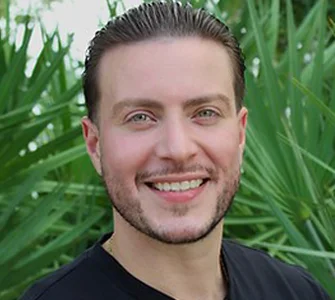
Edgar A. Villavicencio is Research Development Professional at the University of Arizona’s Zuckerman College of Public Health and research coordinator for the “Nosotros Comprometidos a Su Salud” lab. His work focuses on Latino and Indigenous health, cancer prevention, and culturally tailored, community-based research.

Hour 3 - Lifestyle & Resources

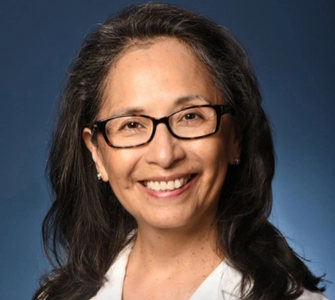
Ana Maria Lopez, MD, MPH, MACP

Food as Medicine – We Are What We Eat and It Could be Deadly

Ana Maria Lopez is Professor of Medical Oncology and Integrative Medicine and Nutritional Sciences at Thomas Jefferson University specializing in oncology and patient-centered care. Her work focuses on reducing disparities in healthcare access and developing patient-centered technologies and lifestyle interventions for underserved populations.

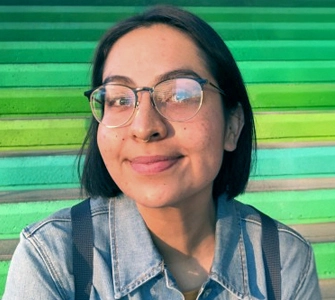
Miriam Juárez-Vargas

Program Manager, TLCI

Miriam Juárez is Program Manager at The Latino Cancer Institute, where she leads research and community engagement initiatives. She spearheaded development of the Cancer Resources Asset Map, a bilingual directory of cancer support services, and manages collaborations with UC Davis’ Tu Historia Cuenta Program.

October 3, 2025

Forum 2: Machismo and Cancer Risk

A Key Driver of Latino Male Health?

Hour 1

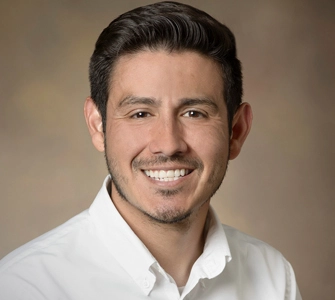
Luis Arturo Valdez, PhD, MPH

Keynote: Machismo - Drexel University

Luis Arturo Valdez is Assistant Professor at Drexel University's Department of Community Health and Prevention and Founder of the GANAS Health Initiative. Their research focuses on gender, health equity, and designing interventions for men of color using intersectional approaches to address how masculinity influences health behaviors in Latino communities.

Lisa Goldman-Rosas, PhD, MPH

Stanford School of Medicine

Lisa Goldman Rosas is Associate Professor at Stanford School of Medicine and Director of the Food for Health Equity Lab. She collaborates with communities to develop nutrition programs that address disparities in diet-related chronic diseases, including obesity-related cancers.

Hour 2

Luis Carvajal-Carmona, PhD

University of California, Davis

Luis Carvajal Carmona is a Professor at UC Davis whose research centers on the genetics and genomics of cancer risk, particularly colorectal cancer, in diverse and underserved populations. His work advances precision medicine and health equity by identifying how genetic variations influence cancer outcomes in Latino and underserved communities.

María Constanza Camargo, PhD, MS, MHA

National Cancer Institute (NCI)

María Constanza Camargo is Earl Stadtman Tenure-Track Investigator at the National Cancer Institute. She is a leading researcher on gastric cancer and Helicobacter pylori infection, addressing the higher burden of stomach cancer among Latino populations.

Enrique Velazquez-Villarreal, MD, PhD, MPH, MS

City of Hope, Duarte Cancer Center

He is a physician-scientist at City of Hope using AI models and genomic analysis of Latino patient data to improve diagnostic accuracy and precision medicine for colorectal cancer, optimizing health outcomes.

Hour 3

Leticia Nogueira, PhD, MPH

American Cancer Society (ACS)

Leticia Nogueira is Scientific Director of Health Services Research at the American Cancer Society. Her research examines how climate change and structural racism affect cancer care and outcomes, with emphasis on policy solutions to reduce disparities.

Catherine Metayer, MD, PhD

University of California, Berkeley

Catherine Metayer is Professor of Epidemiology at UC Berkeley and Director of the Center for Integrative Research on Childhood Leukemia and the Environment (CIRCLE). She studies childhood leukemia disparities, focusing on why Latino children face nearly twice the rates of other groups.

Katherine A. McGlynn, PhD, MPH

National Institutes of Health (NIH)/NCI

Katherine A. McGlynn is Senior Investigator at the National Cancer Institute, specializing in cancer epidemiology. Her research has revealed rising testicular cancer incidence among Hispanic men, highlighting urgent implications for prevention, early detection and screening strategies.

October 24, 2025

Forum 3: Building an Equitable Latino Healthcare Workforce

Challenges in the workforce pipeline, patient-centered care, and health disparities among youth.

Hour 1 - Generational Leadership

Cristhian Gutierrez Huerta, 6th Year MD/PhD Student

6th-year Medical Student, National President LMSA

President of The Latino Medical Student Association. Speaking on challenges facing Latino medical students and the future of Latino healthcare leadership.

Elena Rios, MD, MSPH, MACP

National Hispanic Health Foundation

Leading advocate for building the Latino medical workforce and addressing healthcare disparities in Latino communities.

Hour 2

Wendy Johansson

MiSalud: From Adolescence to Adulthood, Building Comprehensive Care

Wendy Johansson, Co-Founder & COO of MiSalud Health, oversees clinical operations and technology for culturally competent, bilingual healthcare for underserved Latino workforces. She pioneered a unique care model combining job-site events with same-day virtual care, achieving 85% engagement by matching patients with providers who share their cultural context.

Pat Levitt, PhD

Children’s Hospital Los Angeles / University of Southern California

Pat Levitt is a developmental neuroscientist whose research investigates the genetic and environmental factors that shape the development of brain circuits supporting cognition, social behavior, and emotional health. As Chief Scientific Officer of The Saban Research Institute at CHLA and Provost Professor at USC, his work examines early life influences on toxic stress and resilience in children and families. Levitt is an elected member of the National Academy of Medicine and co-Scientific Director of the National Scientific Council on the Developing Child, where he helps inform science-based policy to improve outcomes for children.

Eric Small, MD

University of San Francisco (UCSF)

President of the American Society of Clinical Oncology (ASCO). Expert in cancer disparities and oncology leadership.

Hour 3

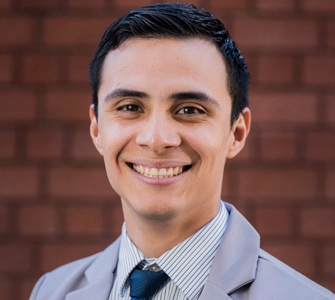
Francisco Cartujano-Barrera, MD

University of Rochester

Associate Professor presenting findings of research study on lung cancer and vaping among Latino youth populations.

Javier Rosario, LCSW, QS, OSW-C

Blood Cancer United (formerly LLS)

Bilingual Information Specialist with LLS Miami, addressing what Latino patients need to know and barriers to healthcare access.

Miriam Juárez-Vargas

Program Manager, TLCI

Miriam Juárez is Program Manager at The Latino Cancer Institute, where she leads research and community engagement initiatives. She spearheaded development of the Cancer Resources Asset Map, a bilingual directory of cancer support services, and manages collaborations with UC Davis’ Tu Historia Cuenta Program.

Ysabel Duron

TLCI Executive Director

Presenting AI Primer - introduction to artificial intelligence applications in Latino cancer research and healthcare delivery.

Support.

Help us help others

As a nonprofit organization, we rely on philanthropy and grants in our mission to support other agencies. Your funding allows us to continue the development of new programs and tools we can share with those making a difference in the lives of Latino cancer patients, survivors, and their caregivers.
Join our cause.
Únete a nuestra causa.